Explore the Dallas Museum of Art: A Treasury of Culture in the Heart of Texas
The Dallas Museum of Art represents a major cultural landmark in Texas. It contains a substantial collection that covers 5,000 years, showcasing wide-ranging artistic traditions. Patrons can experience various exhibitions that address important social themes. With its dedication to accessibility and education, the museum presents a variety of programs for all ages. Yet, what actually sets the DMA apart? Examining its distinctive offerings may uncover a deeper connection to modern issues and artistic expression.
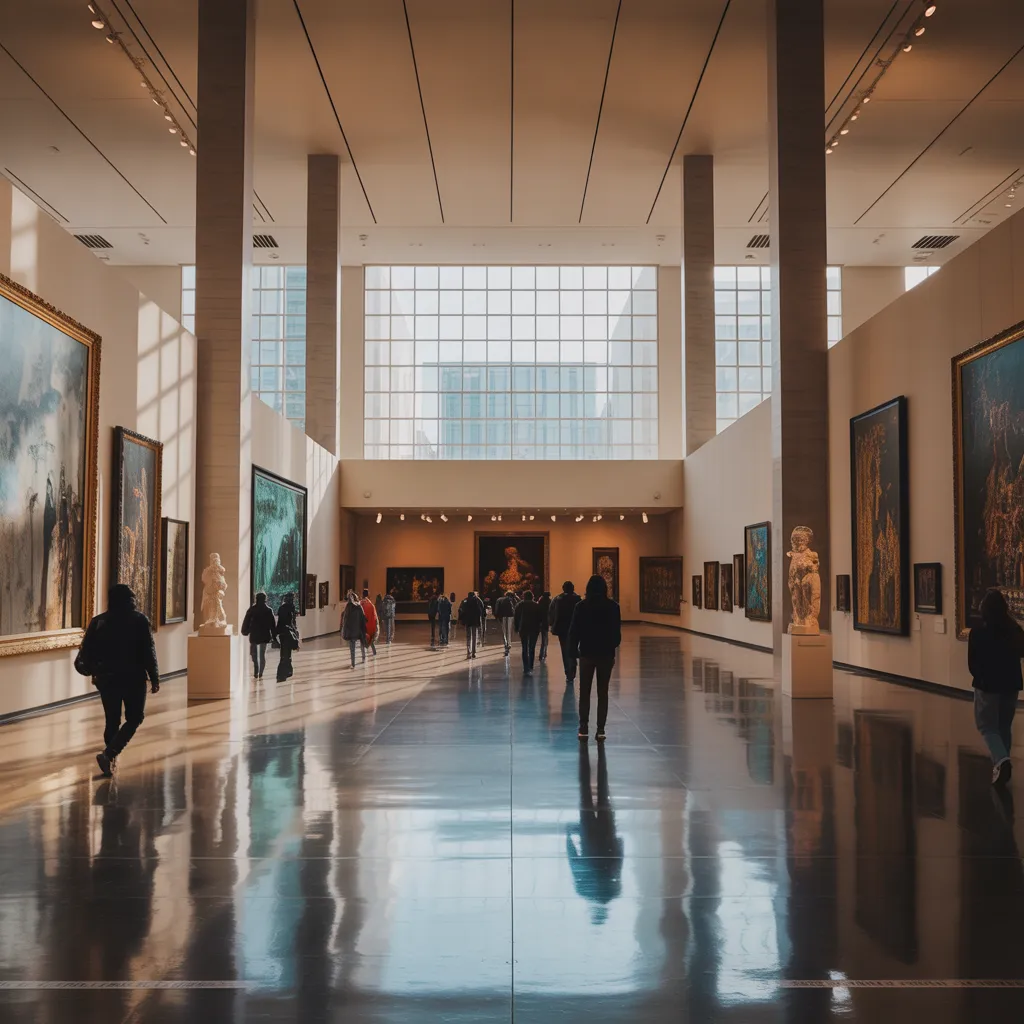
Distinguished Works of the DMA's Eclectic Collections
The Dallas Museum of Art (DMA) boasts an impressive array of collections that reflect a wide range of artistic traditions and historical contexts. Covering more than 5,000 years of creative expression, the museum displays more than 24,000 works from numerous cultures and periods. Among its notable collections is the European painting and sculpture section, showcasing masterpieces from the Renaissance to the modern era. The American art collection emphasizes important movements, including Impressionism and Abstract Expressionism. Furthermore, the museum holds an extensive selection of African, Asian, and Indigenous artworks, emphasizing global artistic contributions. The Dallas Museum of Art (DMA) also includes decorative arts and design, presenting insights into craftsmanship and aesthetics. This varied collection not only elevates the cultural landscape of Dallas but also serves as an educational resource, welcoming visitors to explore the interconnectedness of art across different times and places. Each piece conveys a story, reflecting the artistic heritage of humanity.
Top Shows at the DMA
Art aficionados will come across an range of must-see exhibitions at the Dallas Museum of Art (DMA) that inspire and captivate. The museum continually displays a dynamic range of temporary exhibitions together with its permanent collections. One remarkable exhibition highlights contemporary artists who are redefining cultural narratives through groundbreaking mediums. Another presents classic masterpieces from celebrated painters, permitting visitors to follow the evolution of artistic techniques over centuries.
In addition, thematic exhibitions delve into significant social issues, encouraging dialogue and reflection among attendees. The DMA also presents exhibitions that emphasize specific art movements, supplying context and depth to the observer's understanding. Each exhibition is thoughtfully curated, guaranteeing that the art resonates with a diverse audience. With rotating displays throughout the year, the museum offers a fresh experience for returning visitors, making it an essential destination for art aficionados seeking new perspectives within a vibrant cultural landscape.
Check Out Learning Programs and Events
During their exploration of the diverse displays, attendees of the Dallas Museum of Art can also experience a diverse array of educational programs and events developed to strengthen their understanding of art and culture. The museum presents guided tours, workshops, and lectures that accommodate different age groups and interests, encouraging a deeper appreciation of artistic expression.
Family-based programs foster hands-on creativity, allowing children to discover their artistic skills through interactive activities. Adults can gain from in-depth discussions and seminars led by art experts, providing insights into specific artworks or movements.
Moreover, the museum regularly hosts special events, such as artist talks and panel discussions, which foster dialogue between creators and the community. These educational initiatives not only enhance the visitor experience but also promote lifelong learning and engagement with the arts. Through these offerings, the Dallas Museum of Art establishes its role as a crucial cultural institution in the region.
Visitor Details: Hours of Operation and Entry
For individuals considering a visit, the Dallas Museum of Art features accommodating hours and admission options that appeal to a diverse audience. The museum is open to the public from Tuesday to Sunday, with hours ranging from 11 a.m. to 5 p.m. on most days, and evening hours until 9 p.m. on Thursdays. This schedule ensures abundant opportunities for visitors to explore the impressive collections and exhibitions.
Museum admission is complimentary, making it accessible for everyone. That said, certain exhibitions may necessitate purchasing tickets. It is advisable for visitors to check the museum's official website for current hours and any modifications, and also information about special displays that could involve additional costs. The Dallas Museum of Art guarantees that all visitors can appreciate a vibrant cultural experience in a friendly atmosphere without significant financial barriers.
Tips for Getting the Most Out of Your Visit
To enrich the experience at the Dallas Museum of Art, it is vital to prepare an itinerary that corresponds to personal interests. Connecting with docents can offer valuable insights and enrich understanding of the exhibits. These strategies can help visitors make the most of their time at the museum.
Structure Your Journey Timeline
How might patrons secure an enriching experience at the Dallas Museum of Art? Preparing an agenda is important. To begin, visitors should check the museum's web calendar for temporary exhibitions and activities. Selecting priority pieces and display areas supports effective time allocation, as the museum holds over 24,000 pieces. Visitors ought to reserve no less than two to three hours for an in-depth experience. Moreover, visitors should contemplate weekday visits to escape congestion. Supportive footwear and a small refreshment can improve the experience, as wandering through the broad spaces can be draining. In conclusion, acquiring the museum's mobile app delivers helpful information, with wayfinding resources and guided audio, ensuring that visitors make the most of their cultural journey.
Engage With Docents
How can visitors best engage with docents to enhance their experience at the Dallas Museum of Art? Building rapport with docents can meaningfully elevate the museum experience. Visitors should consider attending scheduled tours, which provide structured opportunities to learn about the exhibits. Presenting open-ended inquiries cultivates more meaningful dialogue and inspires docents to offer their insights. Utilizing the museum's app or guidebooks beforehand can help visitors formulate specific inquiries related to their interests. Beyond this, conveying recognition for the docents' expertise can generate a welcoming interaction. Lastly, visitors should not hesitate to approach docents during quiet moments, as they may be more available to provide personalized insights. These strategies can lead to a richer understanding of the art and its context.
Attractions Nearby in the Arts District
While the Dallas Museum of Art represents a notable cultural destination, the encompassing Arts District provides a wealth of additional attractions that enrich the experience for visitors. Just a short stroll away, the Nasher Sculpture Center captivates with its impressive collection of modern and contemporary sculptures nestled in a beautifully landscaped garden. The Crow Museum of Asian Art further enriches the cultural landscape, featuring Asian art and artifacts that inspire exploration and reflection.
For individuals passionate about performing arts, the AT&T Performing Arts Center offers a diverse range of concerts, theater productions, and dance performances throughout the year. In addition, the iconic Klyde Warren Park offers a vibrant green space for unwinding and open-air pursuits, often hosting food trucks and cultural events. United, these attractions form a dynamic atmosphere that enhances the artistic offerings of the Dallas Museum of Art, making the Arts District a highly recommended destination.
A Brief Overview of the Dallas Museum of Art's History
The Dallas Museum of Art (DMA) has a rich history that reflects the city's growth access this information and commitment to the arts. Established in 1903, the museum started as a humble art collection located in a library. By 1936, it had developed its own designated location, presenting a wide range of artworks. Over the years, the DMA grew its collections and spaces, transforming into a leading cultural institution.
During 1984, the museum relocated to its present location in the Arts District, a striking architectural landmark conceived by the renowned firm of Architect's Studio. The DMA has evolved continuously, incorporating modern initiatives such as community engagement and educational programs. Its comprehensive collection now contains over 24,000 works, spanning multiple cultures and time periods. Now, the Dallas Museum of Art stands as a testament to the city's vibrant artistic heritage and a beacon for art aficionados worldwide.
FAQ
Can Visitors Take Photographs Inside the Dallas Museum of Art?
Photo-taking is normally authorized inside the Dallas Museum of Art, however restrictions may pertain to specific exhibitions or artworks. Visitors should always refer to signage and guidelines to verify compliance with the museum's policies.
Does the Museum Offer Any Food Options?
The Dallas Museum of Art features several dining venues, including both a café and full-service restaurant. Patrons have access to an assortment of meals and snacks, offering a comfortable and delightful dining experience while visiting.
Does the DMA Offer Guided Tours?
The Dallas Museum of Art does offer guided tours. These tours provide visitors with insights into the exhibits and enhance their understanding of the art, making the experience more enriching and enjoyable for all attendees.
Are Membership Packages Offered for Regular Guests?
Yes, the Dallas Museum of Art features various membership options for regular visitors. These memberships offer benefits such as no-cost admission, exclusive events, and discounts at the museum shop, accommodating various interests and engagement levels.
Can I Carry My Backpack or Large Bags Into the Museum?
Oversized bags and backpacks are usually not allowed in the museum. Visitors may be required to check these items at designated locations, guaranteeing a safe and clear experience for all guests in the gallery spaces.